If you’ve been diagnosed with chronic venous insufficiency (CVI) or varicose veins, you may be surprised to learn that treatment often doesn’t involve traditional surgery. Advances in vein care have made it possible to treat many vein conditions using minimally invasive procedures performed in an outpatient setting.
Two of the most well-known treatments for venous insufficiency are VenaSeal™ and Radiofrequency Ablation (RFA). Both are designed to close diseased veins and redirect blood flow to healthier veins, but they accomplish this in different ways.
Understanding how these treatments compare can help you have a more informed conversation with your vascular specialist. At California Vein Institute, we believe every treatment plan should be tailored to the individual, taking into account your symptoms, anatomy, medical history, and treatment goals.
Understanding Chronic Venous Insufficiency
Before comparing treatments, it’s helpful to understand the condition they are designed to treat.
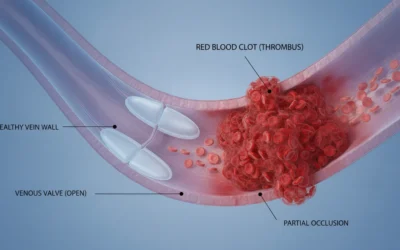
Chronic venous insufficiency develops when the valves inside the veins no longer function properly. Instead of keeping blood moving toward the heart, these valves allow blood to flow backward, a condition known as venous reflux. As blood pools in the affected veins, pressure increases and symptoms may develop.
Common symptoms of CVI include:
- Leg heaviness
- Swelling in the lower legs or ankles
- Aching or throbbing discomfort
- Fatigue after standing for long periods
- Varicose veins
- Skin changes around the ankles
Treatment focuses on eliminating the malfunctioning vein so blood can naturally flow through healthier veins.
What Is VenaSeal?
VenaSeal is a minimally invasive treatment that uses a medical adhesive to close an affected vein.
During the procedure, a physician inserts a small catheter into the diseased vein using ultrasound guidance. Tiny amounts of the adhesive are delivered through the catheter, sealing the vein closed. Once the vein is closed, blood is redirected to nearby healthy veins, and the treated vein is gradually absorbed by the body over time.
Because the procedure relies on adhesive rather than heat, it does not use thermal energy to close the vein.
What Is Radiofrequency Ablation (RFA)?
Radiofrequency Ablation is another minimally invasive treatment for venous insufficiency, but instead of adhesive, it uses controlled radiofrequency energy.
A thin catheter is inserted into the affected vein under ultrasound guidance. The catheter delivers carefully controlled heat to the vein wall, causing the vein to collapse and seal shut. As with VenaSeal, blood is naturally rerouted through healthy veins.
RFA has been used for many years and is widely recognized as an effective treatment for appropriately selected patients with venous reflux.
Similarities Between VenaSeal and RFA
Although the techniques differ, the two procedures have several important similarities.
Both treatments are:
- Minimally invasive
- Performed in an outpatient setting
- Guided by ultrasound imaging
- Designed to treat the underlying cause of venous insufficiency
- Intended to redirect blood flow to healthier veins
- Associated with shorter recovery times than traditional vein surgery
Neither treatment removes the diseased vein. Instead, both safely close the vein, allowing the body to gradually adapt and reroute circulation.
Key Differences Between the Procedures
While both treatments share similar goals, there are some notable differences.
Treatment Method
The most significant difference is how the vein is closed.
- VenaSeal uses a specially formulated medical adhesive.
- RFA uses thermal energy generated by radiofrequency waves.
Both techniques have been shown to effectively close diseased veins when used in appropriate patients.
Use of Local Anesthesia
Because RFA uses heat, local anesthetic is typically administered along the length of the treated vein to help protect surrounding tissue and improve comfort during the procedure.
VenaSeal generally requires less local anesthetic because it does not rely on thermal energy, although anesthesia may still be used at the catheter insertion site.
Compression Stockings After Treatment
Post-procedure recommendations vary depending on the treatment and the patient’s individual needs.
Some patients treated with VenaSeal may not need compression stockings afterward, while compression stockings are commonly recommended following RFA to support healing and circulation. Your physician will provide guidance based on your specific situation.
Procedure Experience
Both procedures are generally well tolerated and performed in a comfortable outpatient setting. The exact treatment experience may differ slightly depending on the technique used, the veins being treated, and your physician’s recommendations.
Which Treatment Has the Better Recovery?
Recovery following both VenaSeal and RFA is generally quicker than recovery from traditional vein surgery.
Many patients are encouraged to walk shortly after their procedure and are able to resume many normal daily activities within a relatively short period. Recovery timelines can vary based on factors such as the extent of treatment, overall health, and any additional procedures that may be performed.
Following your physician’s post-treatment instructions is an important part of supporting a smooth recovery.
Is One Treatment More Effective?
Studies have shown that both VenaSeal and radiofrequency ablation are effective treatments for appropriately selected patients with chronic venous insufficiency. Long-term success depends on a variety of factors, including the size and location of the affected vein, the severity of venous disease, and individual patient characteristics.
Rather than asking which treatment is universally “better,” the more helpful question is which treatment is better suited for your specific condition.
During your evaluation, a vascular specialist will review your symptoms, perform diagnostic imaging, and discuss the treatment options that best align with your needs.
How Doctors Choose the Right Procedure
No single vein treatment is ideal for every patient.
Your physician may consider several factors when recommending treatment, including:
- The location of the affected vein
- The size of the vein
- Results of your ultrasound examination
- The severity of venous reflux
- Your medical history
- Previous vein treatments
- Your lifestyle and recovery goals
In some cases, additional procedures, such as microphlebectomy or sclerotherapy, may be recommended alongside either VenaSeal or RFA to address visible varicose veins after the underlying vein dysfunction has been treated.
The Importance of a Comprehensive Vein Evaluation
Choosing the right treatment starts with an accurate diagnosis.
At California Vein Institute, comprehensive evaluations typically include a physical examination, discussion of symptoms, and duplex ultrasound imaging to assess blood flow and vein valve function.
This detailed evaluation allows our team to identify the source of venous insufficiency and develop a personalized treatment plan based on your unique anatomy and symptoms—not simply the latest technology.
Finding the Right Treatment for Your Vein Health
Modern vein care offers more treatment options than ever before, and both VenaSeal and Radiofrequency Ablation have expanded the ways physicians can manage chronic venous insufficiency with minimally invasive techniques.
At California Vein Institute, Radiofrequency Ablation is one of the primary treatments we offer for chronic venous insufficiency. During your consultation, our team will evaluate your vein health using advanced imaging, explain your diagnosis in clear, easy-to-understand language, and recommend a treatment approach that aligns with your individual needs.
If you’re experiencing symptoms such as leg swelling, heaviness, aching, or varicose veins, don’t ignore them. A comprehensive vein evaluation can help determine whether venous insufficiency is the cause and whether minimally invasive treatment may help improve your circulation, relieve symptoms, and support your long-term vein health. Schedule one with us today.