Many people experience tired, achy, or swollen legs and assume it’s simply part of getting older or spending too much time on their feet. While occasional discomfort can be normal, persistent symptoms may point to an underlying venous condition known as chronic venous insufficiency (CVI).
Chronic venous insufficiency is one of the most common forms of venous disease, affecting millions of adults worldwide. It develops gradually and, if left untreated, can lead to worsening symptoms and changes in the skin and surrounding tissues.
The good news is that modern medicine offers effective ways to diagnose and manage CVI, often through minimally invasive treatments that can improve circulation and help relieve symptoms.
At California Vein Institute, we help patients understand the cause of their symptoms and provide personalized treatment options designed to support long-term vein health.
Understanding Chronic Venous Insufficiency
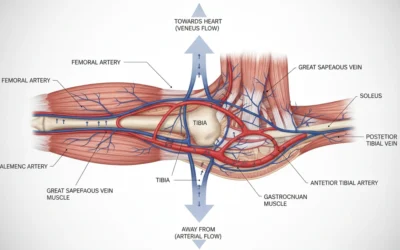
Your veins have an important job: carrying blood back to the heart. In the legs, this process is especially challenging because blood must travel upward against gravity.
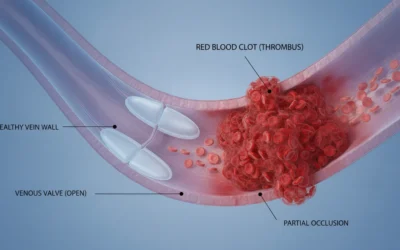
To make this possible, veins contain tiny one-way valves that keep blood moving in the right direction. Every time you walk, your calf muscles help push blood upward, while these valves prevent it from flowing backward.
Chronic venous insufficiency occurs when these valves become weakened or damaged. Instead of moving efficiently toward the heart, blood begins to flow backward and pool in the veins, increasing pressure within the lower legs.
Over time, this increased pressure can stretch the vein walls, reduce healthy circulation, and lead to a variety of uncomfortable symptoms.
What Causes Chronic Venous Insufficiency?
Several factors can contribute to the development of CVI. While anyone can develop the condition, certain risk factors make it more likely.
Common causes and contributing factors include:
- Family history of vein disease
- Aging
- Pregnancy
- Obesity
- Prolonged standing or sitting
- Previous deep vein thrombosis (DVT)
- Lack of regular physical activity
Many patients develop CVI as a result of a combination of these factors rather than a single cause.
For example, someone with a family history of vein disease who works in a job requiring long hours of standing or sitting may have a higher likelihood of developing symptoms over time.
Common Symptoms of CVI
Symptoms of chronic venous insufficiency often develop gradually. Many people notice subtle changes before realizing they may be related to vein disease.
Common symptoms include:
- Swelling in the feet, ankles, or lower legs
- A feeling of heaviness in the legs
- Aching, throbbing, or cramping
- Leg fatigue after standing for long periods
- Varicose veins
- Itching around affected veins
- Skin discoloration, especially near the ankles
- Tightness or discomfort that improves after elevating the legs
Symptoms often become more noticeable later in the day or after prolonged standing or sitting.
As the condition progresses, discomfort may become more frequent and begin interfering with everyday activities.
How Are Varicose Veins Related to CVI?
Many people think of varicose veins as primarily a cosmetic concern, but they are often a sign of an underlying circulation problem.
When blood pools inside damaged veins, increased pressure causes the veins to enlarge and become twisted or bulging beneath the skin. These enlarged veins are known as varicose veins.
Not everyone with varicose veins has chronic venous insufficiency, but the two conditions commonly occur together. Treating the underlying vein dysfunction is often an important part of managing symptoms and preventing further progression.
What Happens If CVI Is Left Untreated?
Chronic venous insufficiency is considered a progressive condition, meaning it may worsen over time without appropriate management.
As pressure continues to build inside the veins, patients may experience:
- Increased swelling
- Worsening leg discomfort
- More noticeable varicose veins
- Skin thickening or discoloration
- Irritated or dry skin around the ankles
In more advanced cases, chronic venous insufficiency can contribute to the development of venous ulcers, which are slow-healing wounds that most often occur near the ankles. While not everyone with CVI will experience these complications, early evaluation and treatment may help reduce the risk of progression.
How Is Chronic Venous Insufficiency Diagnosed?
Diagnosing CVI begins with a thorough discussion of your symptoms and medical history, followed by a physical examination.
One of the most valuable diagnostic tools is a duplex ultrasound, a non-invasive imaging test that allows physicians to evaluate:
- Blood flow through the veins
- Vein valve function
- Venous reflux (backward blood flow)
- Areas of vein enlargement or obstruction
This imaging provides detailed information about how well the veins are functioning and helps physicians develop an individualized treatment plan. Because ultrasound is non-invasive and does not involve surgery, it is often the first step in evaluating patients with suspected venous disease.
Treatment Options for Chronic Venous Insufficiency
Treatment depends on the severity of the condition, the patient’s symptoms, and the specific veins involved. For some patients, conservative measures may help manage mild symptoms. These may include increasing physical activity, elevating the legs when possible, maintaining a healthy weight, or wearing compression stockings as recommended by a healthcare provider.
If symptoms persist or vein disease is more advanced, minimally invasive procedures may be recommended.
Modern treatments commonly include:
Radiofrequency Ablation (RFA)
Radiofrequency ablation uses controlled heat delivered through a thin catheter to close diseased veins. Blood is naturally redirected through healthier veins, helping improve circulation and reduce symptoms.
Sclerotherapy
Sclerotherapy involves injecting a specialized solution into smaller affected veins, causing them to gradually close and be absorbed by the body.
Microphlebectomy
Microphlebectomy removes larger varicose veins through tiny openings in the skin. The procedure is minimally invasive and is often performed on an outpatient basis.
Your physician will determine which treatment or combination of treatments is most appropriate based on your individual condition.
Why Minimally Invasive Treatments Have Changed Vein Care
Advances in vascular medicine have significantly improved the way chronic venous insufficiency is treated.
Many procedures that once required surgery can now be performed using minimally invasive, image-guided techniques. These treatments are designed to precisely target the affected veins while minimizing disruption to surrounding tissue.
For many patients, this means:
- Outpatient treatment
- Smaller access points instead of large incisions
- Less discomfort after the procedure
- Shorter recovery times compared to traditional surgery
- A quicker return to normal daily activities
While every patient’s recovery is unique, minimally invasive procedures have made treatment more convenient and accessible than ever before.
When Should You See a Vein Specialist?
Many people wait months or even years before seeking care because they assume their symptoms are simply part of aging or everyday life.
It may be time to schedule an evaluation if you experience:
- Persistent leg swelling
- Aching or heaviness that doesn’t improve
- Visible varicose veins
- Skin changes around the ankles
- Leg discomfort that worsens after standing or sitting
- Symptoms that interfere with work, exercise, or daily activities
Early evaluation can help identify vein disease before symptoms become more severe and allow you to explore treatment options that fit your needs.
Find Relief with California Vein Institute
Living with chronic venous insufficiency doesn’t mean you have to accept ongoing discomfort as your new normal. With today’s advanced diagnostic tools and minimally invasive treatment options, many patients are able to improve circulation, relieve symptoms, and return to the activities they enjoy.
At California Vein Institute, we take a personalized approach to vein care. Our team uses advanced imaging to identify the source of your symptoms and develops individualized treatment plans designed to support long-term vein health. If you’re experiencing persistent leg swelling, heaviness, varicose veins, or other signs of chronic venous insufficiency, we’re here to help you take the next step toward healthier circulation with compassionate, patient-centered care. If you are experiencing pain or discomfort, schedule an appointment with us today.