Many people notice visible veins on their legs at some point in their lives. For some, they appear as thin red or blue lines just beneath the skin. For others, they become larger, twisted, and bulging. While these vein changes are common, it’s important to understand that spider veins and varicose veins are not the same condition.
Although both are caused by problems within the veins, they differ in appearance, symptoms, and the impact they may have on your overall vein health. Knowing the difference can help you determine when it’s time to seek an evaluation and what treatment options may be available.
At California Vein Institute, we help patients identify the underlying cause of vein problems and provide minimally invasive treatment options designed to improve circulation, relieve symptoms, and restore confidence in their vein health.
What Are Spider Veins?
Spider veins are small, thin blood vessels that become visible near the surface of the skin. They often appear as fine red, blue, or purple lines that branch outward in a pattern resembling a spider web or tree branches.
Spider veins most commonly develop on the:
- Legs
- Ankles
- Thighs
- Face
In many cases, spider veins are considered a cosmetic concern. However, some people experience mild symptoms such as burning, itching, or tenderness around the affected area.
While spider veins are usually harmless, they can sometimes be an early sign of underlying venous disease.
What Are Varicose Veins?
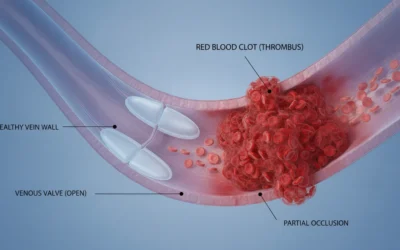
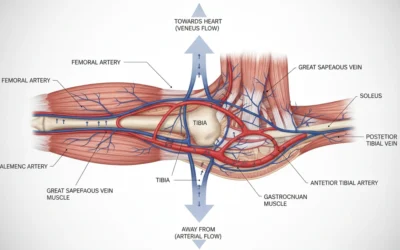
Varicose veins are enlarged, twisted veins that develop when the valves inside the veins stop working properly. These valves normally keep blood flowing back toward the heart. When they weaken or become damaged, blood can pool inside the vein, causing it to stretch and become more visible.
Varicose veins typically appear:
- Raised above the surface of the skin
- Blue or purple in color
- Thick or rope-like
- Twisted or bulging
Unlike spider veins, varicose veins are more likely to cause physical symptoms and may indicate an underlying circulation problem such as chronic venous insufficiency (CVI).
What Causes Spider Veins and Varicose Veins?
Although spider veins and varicose veins look different, they share many of the same risk factors.
Common causes and contributing factors include:
- Family history of vein disease
- Aging
- Pregnancy
- Hormonal changes
- Obesity
- Prolonged standing or sitting
- Lack of regular physical activity
These factors can place additional pressure on the veins or contribute to weakened vein valves over time.
Not everyone with these risk factors will develop vein disease, but they can increase the likelihood of visible vein changes.
Comparing Spider Veins and Varicose Veins
While both conditions involve the veins, there are several important differences.
| Spider Veins | Varicose Veins |
| Small, thin surface veins | Enlarged, bulging veins |
| Usually flat against the skin | Often raised and twisted |
| Red, blue, or purple | Typically blue or dark purple |
| Often cosmetic | Frequently associated with symptoms |
| May cause mild irritation | May cause pain, heaviness, swelling, and aching |
The appearance of the veins is often the easiest way to distinguish between the two, but symptoms and underlying causes also play an important role.
Symptoms of Spider Veins
Many people with spider veins experience few or no physical symptoms.
When symptoms do occur, they may include:
- Mild aching
- Itching around the veins
- Burning sensations
- Minor tenderness
- Cosmetic concerns
These symptoms are generally localized and less severe than those associated with varicose veins.
Symptoms of Varicose Veins
Varicose veins are more likely to affect daily comfort because they often reflect underlying problems with circulation.
Common symptoms include:
- Leg heaviness
- Aching or throbbing
- Swelling in the lower legs or ankles
- Muscle cramping
- Fatigue after standing
- Itching around the affected veins
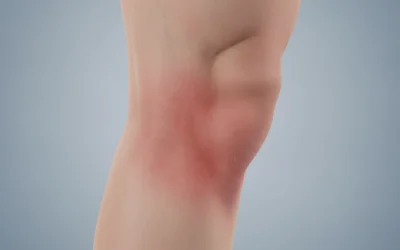
- Skin discoloration near the ankles
Symptoms often become more noticeable after prolonged standing or sitting and may improve when the legs are elevated.
Can Spider Veins Turn Into Varicose Veins?
Spider veins themselves do not typically “turn into” varicose veins because they affect different sizes of blood vessels. However, both conditions can result from the same underlying vein dysfunction.
Some people who develop spider veins may later experience varicose veins if venous insufficiency progresses over time.
This is one reason why a professional evaluation can be helpful, particularly if visible veins are accompanied by swelling, heaviness, or discomfort.
When Are Visible Veins a Sign of Something More?
While many visible veins are harmless, they can sometimes indicate a more significant circulation issue.
You should consider scheduling an evaluation if you experience:
- Persistent leg swelling
- Aching or heaviness
- Bulging veins
- Skin changes around the ankles
- Leg discomfort that worsens throughout the day
- Symptoms that interfere with daily activities
These symptoms may suggest chronic venous insufficiency or another venous condition that could benefit from treatment.
How Are Vein Problems Diagnosed?
If you visit a vein specialist, your evaluation will typically begin with a discussion of your symptoms and medical history, followed by a physical examination.
To better understand how your veins are functioning, your physician may recommend a duplex ultrasound. This non-invasive imaging test allows the care team to:
- Assess blood flow
- Evaluate vein valve function
- Detect venous reflux
- Identify underlying vein disease
Even if your primary concern is cosmetic, imaging may be recommended if symptoms suggest a deeper circulation problem.
Treatment Options for Spider Veins and Varicose Veins
Treatment depends on the type of vein involved, the severity of symptoms, and whether underlying venous disease is present.
Sclerotherapy
Sclerotherapy is commonly used to treat spider veins and smaller varicose veins. A specialized solution is injected into the affected vein, causing it to close and gradually be absorbed by the body.
Radiofrequency Ablation (RFA)
For larger veins affected by chronic venous insufficiency, Radiofrequency Ablation (RFA) may be recommended. This minimally invasive procedure uses controlled heat to close diseased veins and redirect blood flow to healthier veins.
Microphlebectomy
When larger varicose veins are close to the surface of the skin, microphlebectomy may be used to remove them through very small openings in the skin.
In many cases, treatment plans combine multiple techniques to address both the underlying vein dysfunction and the visible veins.
Can Spider Veins and Varicose Veins Be Prevented?
Not every case can be prevented, especially when genetics play a role. However, healthy habits may help support good circulation and reduce the risk of developing new vein problems.
These include:
- Staying physically active
- Maintaining a healthy weight
- Avoiding prolonged sitting or standing when possible
- Elevating your legs after long periods on your feet
- Wearing compression stockings if recommended by your healthcare provider
These lifestyle measures can support vein health, but they cannot reverse damaged vein valves once they have developed.
When to See a Vein Specialist
Many people assume visible veins are simply a cosmetic concern, but symptoms such as swelling, aching, heaviness, or skin changes may indicate an underlying venous condition that deserves medical attention.
At California Vein Institute, we use advanced diagnostic imaging to evaluate your vein health and determine whether spider veins or varicose veins are related to chronic venous insufficiency or another circulation disorder. From there, we develop a personalized treatment plan designed around your symptoms, lifestyle, and goals.
If you’re concerned about visible veins or have noticed persistent leg discomfort, scheduling a consultation can provide answers and help you explore minimally invasive treatment options that support healthier circulation and improved quality of life.