Leg pain, swelling, heaviness, and changes in the skin can all be signs that something is affecting your circulation. However, not every circulation problem has the same cause. Two conditions that can affect blood flow in the legs are chronic venous insufficiency (CVI) and peripheral artery disease (PAD).
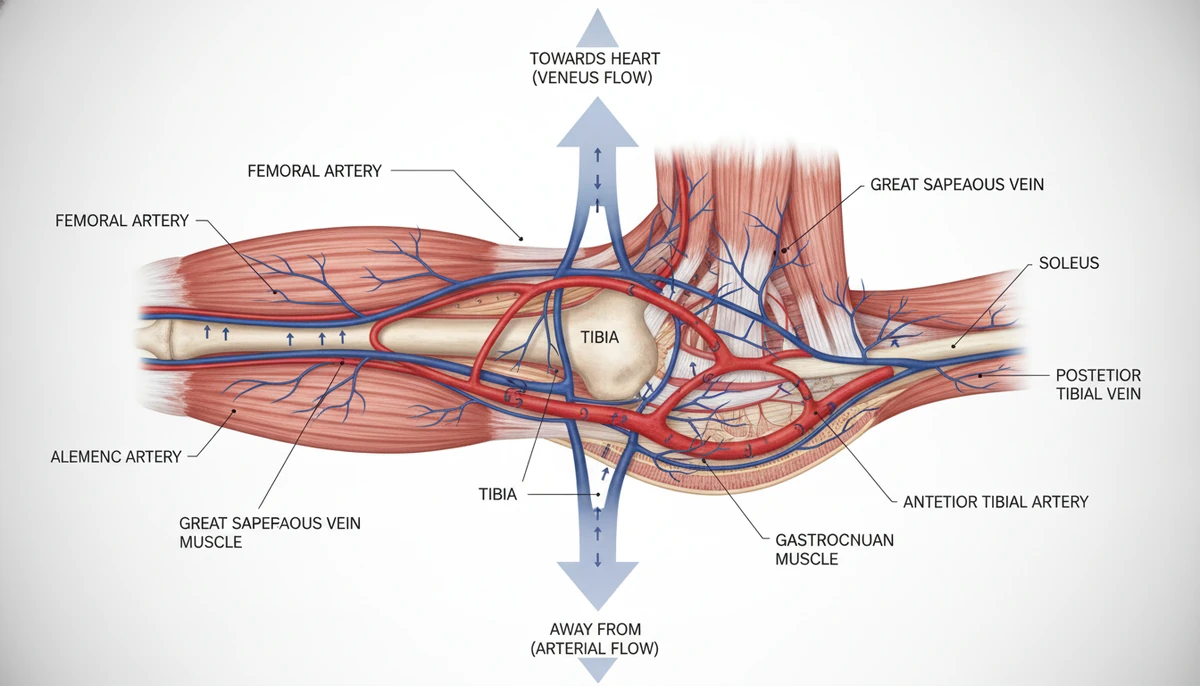
Although both involve the vascular system, they affect different types of blood vessels. Venous insufficiency affects the veins that return blood to the heart, while peripheral artery disease affects the arteries that carry oxygen-rich blood away from the heart to the legs. Because of this fundamental difference, their symptoms, risks, diagnostic approaches, and treatments can vary significantly.
Understanding the difference between venous insufficiency and peripheral artery disease can help you recognize potential symptoms and know when it may be time to seek a vascular evaluation.
What Is Chronic Venous Insufficiency?
Chronic venous insufficiency is a form of venous disease that develops when the veins in the legs have difficulty efficiently returning blood toward the heart.
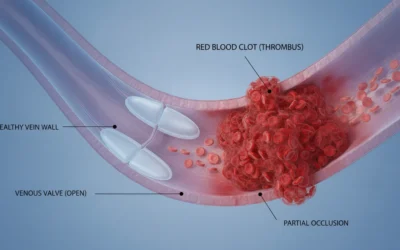
Healthy leg veins contain one-way valves that help blood travel upward against gravity. The calf muscles also help pump blood through the veins whenever you walk or move your legs.
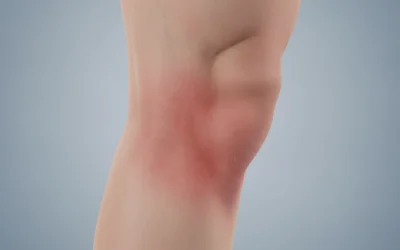
When vein valves become weakened or damaged, they may allow some blood to flow backward. This is called venous reflux. Blood can then collect in the lower legs, increasing pressure within the veins. Over time, this can lead to swelling, discomfort, varicose veins, and changes in the surrounding skin.
What Is Peripheral Artery Disease?
Peripheral artery disease is an arterial condition. PAD develops when arteries supplying the extremities become narrowed, most often because of a buildup of fatty deposits known as atherosclerosis. When an artery becomes narrowed, less oxygen-rich blood can reach the muscles and tissues beyond that point.
PAD frequently affects the legs, which is why some of its symptoms can initially seem similar to those of venous disease. However, the underlying circulation problem is very different.
CVI is primarily a problem with blood returning from the legs, while PAD is a problem with blood reaching the legs.
Comparing Symptoms of CVI and PAD
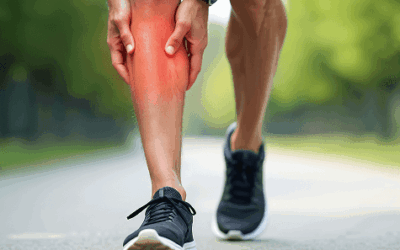
One of the challenges with vascular disease is that patients may simply describe their symptoms as “leg pain” without realizing that different patterns of discomfort can provide important clues.
Common Symptoms of Chronic Venous Insufficiency
CVI may cause:
- Leg swelling, particularly around the ankles
- Aching or throbbing
- A heavy or tired feeling in the legs
- Varicose veins
- Itching
- Skin discoloration around the lower legs or ankles
- Discomfort after prolonged standing
- Symptoms that improve with leg elevation
Because gravity contributes to blood pooling in the legs, venous symptoms often become more noticeable as the day progresses.
Common Symptoms of Peripheral Artery Disease
PAD may cause:
- Leg cramping or aching while walking
- Pain that improves after resting
- Weakness or fatigue in the legs
- Coolness in a foot or lower leg
- Changes in skin color
- Slow-healing sores on the toes, feet, or legs
- Reduced hair growth on the legs
- Weak pulses in the feet
A classic PAD symptom is intermittent claudication, which describes muscle pain or cramping that occurs during activity and improves with rest.
Not everyone with CVI or PAD experiences these textbook patterns, so symptoms alone should not be used for self-diagnosis.
Why Does Leg Elevation Affect the Conditions Differently?
How your symptoms respond to position can sometimes provide clues about the type of circulation problem involved.
People with chronic venous insufficiency may find that elevating their legs reduces swelling and discomfort. Elevation allows gravity to assist blood as it moves away from the lower extremities.
PAD involves inadequate arterial blood supply to the legs. People with more advanced arterial disease may not experience the same benefit from elevation and can sometimes notice increased discomfort when the legs are raised.
These differences can be useful during an evaluation, but diagnostic testing is still necessary to determine what is actually causing your symptoms.
Can You Have Both CVI and PAD?
Yes. Venous insufficiency and peripheral artery disease can occur in the same person.
The presence of one vascular condition does not prevent another from developing because the diseases affect separate parts of the circulatory system.
This is particularly important when considering treatments such as compression therapy. Compression is commonly used to help manage certain venous conditions, but significant arterial disease can affect whether and how compression should be used.
For that reason, patients should not assume that a treatment recommended for another person’s swollen legs is necessarily appropriate for them. Understanding both arterial and venous circulation can be important when developing a safe treatment plan.
Who Is at Risk for Chronic Venous Insufficiency?
Several factors can increase the likelihood of developing CVI, including:
- Family history of vein disease
- Increasing age
- Pregnancy
- Previous deep vein thrombosis (DVT)
- Prolonged sitting or standing
- Obesity
- Reduced physical activity
A previous blood clot is particularly relevant because DVT can damage vein valves and interfere with healthy blood return.
Who Is at Risk for Peripheral Artery Disease?
PAD has a different set of major risk factors because it is commonly associated with atherosclerosis.
Risk factors may include:
- Smoking
- Diabetes
- High blood pressure
- High cholesterol
- Increasing age
- A history of cardiovascular disease
Because PAD is associated with atherosclerosis elsewhere in the body, identifying the condition can have implications beyond the legs.
How Are Venous Insufficiency and PAD Diagnosed?
Proper diagnosis begins with a medical history, symptom review, and physical examination.
For suspected chronic venous insufficiency, a duplex ultrasound can be used to evaluate blood flow and the function of the valves within the veins. This non-invasive test can identify venous reflux, obstruction, and other abnormalities.
PAD evaluation may involve an ankle-brachial index (ABI), which compares blood pressure at the ankle with blood pressure in the arm. Ultrasound and other vascular imaging tests may also be used to evaluate arterial blood flow.
The appropriate testing depends on your symptoms, medical history, and findings during the initial examination.
How Is Chronic Venous Insufficiency Treated?
Treatment for CVI depends on which veins are affected and how advanced the condition has become.
Conservative approaches may include regular movement, leg elevation, weight management, and compression when medically appropriate. When an underlying dysfunctional vein requires treatment, minimally invasive procedures may be considered.
At California Vein Institute, available treatments include:
Radiofrequency Ablation (RFA)
RFA uses controlled radiofrequency energy delivered through a thin catheter to close a vein affected by reflux. Blood is then naturally redirected through healthier veins.
Sclerotherapy
Sclerotherapy involves injecting a specialized solution into selected veins, causing them to close and gradually fade.
Microphlebectomy
Microphlebectomy is used to remove certain surface varicose veins through very small openings in the skin.
The right treatment depends on the individual patient’s anatomy, symptoms, and diagnostic findings.
How Is Peripheral Artery Disease Treated?
PAD requires a different treatment strategy because the goal is to improve or preserve the delivery of arterial blood to the legs.
Depending on the severity of the condition, care may involve lifestyle changes, management of cardiovascular risk factors, medications, supervised exercise, or procedures intended to improve arterial blood flow.
This distinction is another reason an accurate diagnosis matters. Treating a vein problem and treating an arterial problem require different approaches.
When Should You See a Vascular Specialist?
Consider seeking a vascular evaluation if you experience persistent symptoms such as:
- Leg swelling
- Heaviness or aching
- Varicose veins
- Pain when walking
- A cold or unusually pale foot
- Skin discoloration
- Wounds that are slow to heal
- Changes in your legs that continue to worsen
Some symptoms require more urgent attention. Sudden severe leg pain, a leg or foot that becomes unusually cold or pale, or a sudden loss of sensation or movement can indicate an acute circulation problem and requires emergency medical evaluation.
Likewise, sudden one-sided swelling, warmth, and pain can be signs of DVT and should be evaluated promptly.
Understanding What Your Legs Are Telling You
Venous insufficiency and peripheral artery disease both affect circulation, but they do so in very different ways. CVI makes it harder for blood to return from the legs, while PAD makes it harder for oxygen-rich blood to reach them. Recognizing that difference is essential for choosing the appropriate treatment.
At California Vein Institute, we focus on helping patients understand venous disease and the underlying causes of symptoms such as swelling, heaviness, discomfort, and varicose veins. Through careful evaluation and advanced vascular imaging, our team can determine whether symptoms are related to venous insufficiency and guide patients toward appropriate treatment options.
If you’re experiencing persistent changes in your legs, don’t assume they’re simply part of aging or a busy lifestyle. A vascular evaluation can provide greater clarity about your circulation and help you determine the right next step for your vascular health. Schedule one with us today.