Leg pain and swelling can happen for many reasons. A strenuous workout, minor injury, long day on your feet, or extended period of sitting can all leave your legs feeling uncomfortable. However, certain symptoms can also be signs of deep vein thrombosis (DVT), a condition that requires prompt medical attention.
DVT occurs when a blood clot forms in a deep vein, most commonly in the leg. The symptoms can sometimes resemble other, less urgent conditions, which can make it difficult to know when to seek care. Understanding the warning signs and knowing which symptoms require emergency attention can help you respond appropriately.
At California Vein Institute, we believe education is an important part of vascular health. If you recognize potential DVT symptoms, timely evaluation can help determine whether a blood clot is present and guide the appropriate next steps.
What Is Deep Vein Thrombosis?
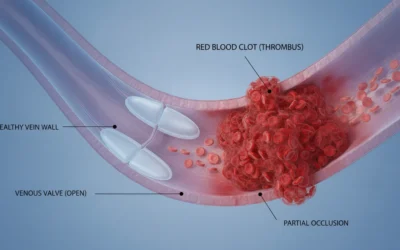
Deep vein thrombosis occurs when a blood clot develops within one of the body’s deep veins. DVT most frequently develops in the lower extremities, including the calf or thigh, but can also occur elsewhere.
A clot can partially or completely interfere with normal blood flow through the affected vein. This may cause swelling, pain, or other changes in the leg.
DVT deserves prompt attention because part of a clot can potentially break away and travel through the bloodstream to the lungs. This is known as a pulmonary embolism (PE) and is a medical emergency.
Fortunately, DVT can be treated. Recognizing possible symptoms and seeking appropriate care are important first steps.
What Are the Most Common DVT Symptoms?
DVT does not always cause noticeable symptoms. When symptoms do occur, they frequently affect one leg rather than both.
Potential signs include:
- Swelling in one leg
- Calf or thigh pain
- Tenderness without an obvious injury
- Warmth in the affected area
- Redness or other skin discoloration
- A feeling of tightness or fullness
- Unexplained aching or cramping
Symptoms may appear suddenly or develop more gradually.
Having one of these symptoms does not necessarily mean you have a blood clot. Muscle injuries, infections, chronic venous insufficiency, lymphedema, and other conditions can produce similar symptoms. A medical evaluation is necessary to determine the cause.
When Does Leg Swelling Need Medical Attention?
Swelling is one of the better-known symptoms associated with DVT. Minor swelling in both legs after spending all day standing, for example, may have a relatively simple explanation. However, new or unexplained swelling that occurs primarily in one leg deserves closer attention.
You should seek prompt medical evaluation if swelling:
- Develops suddenly
- Affects only one leg
- Has no obvious explanation
- Is accompanied by pain or tenderness
- Occurs with warmth or skin discoloration
- Continues to worsen
Rather than trying to determine at home whether swelling is caused by a blood clot, contact a healthcare provider for guidance.
Pay Attention to Unexplained Calf or Thigh Pain
DVT-related discomfort can sometimes feel surprisingly similar to a muscle cramp or strain. Patients may describe an ache, soreness, tenderness, or tight sensation in the calf or thigh. The difference is that there may be no obvious injury or activity that explains the pain.
For example, calf soreness after a new workout may have a straightforward cause. Calf pain that develops unexpectedly alongside one-sided swelling, warmth, or redness is more concerning and should be evaluated promptly.
Avoid relying on the intensity of the pain alone. A serious clot does not necessarily produce severe pain.
Who Should Be Particularly Alert to DVT Symptoms?
DVT can affect people with different health backgrounds, but certain circumstances can increase the likelihood of developing a blood clot.
Risk factors include:
- A previous DVT or pulmonary embolism
- Recent surgery or hospitalization
- Prolonged bed rest or reduced mobility
- Long periods of travel
- Pregnancy and the postpartum period
- Certain hormone-containing medications
- Cancer and some cancer treatments
- Certain inherited clotting disorders
- Increasing age
- Smoking
- Obesity
Having one or more risk factors does not mean that a person will develop DVT. However, knowing your risk factors can provide important context when new leg symptoms appear. If you’ve recently had surgery, been hospitalized, traveled for an extended period, or previously experienced a blood clot, be especially attentive to unexplained changes in one leg.
When DVT Symptoms Become an Emergency
A clot that remains in the leg is a DVT. If part of that clot breaks away, it can travel through the bloodstream and become lodged in an artery in the lungs, causing a pulmonary embolism. A pulmonary embolism can interfere with blood flow through the lungs and requires immediate medical attention.
Call 911 or seek emergency medical care immediately if you experience symptoms such as:
- Sudden shortness of breath
- Chest pain, particularly pain that worsens with breathing
- Coughing up blood
- Fainting or loss of consciousness
- A rapid heartbeat accompanied by breathing difficulty
- Sudden severe lightheadedness
Do not wait for a routine vascular appointment if these symptoms occur, even if you have not previously been diagnosed with DVT.
How Is DVT Diagnosed?
Symptoms alone cannot reliably confirm or rule out a blood clot. If a healthcare provider suspects DVT, your evaluation may include a review of your symptoms, medical history, risk factors, and a physical examination.
A duplex ultrasound is commonly used to diagnose DVT in the legs. This non-invasive imaging test uses sound waves to evaluate the veins and blood flow.
Ultrasound can help physicians determine:
- Whether a clot is present
- Where the clot is located
- Which veins are affected
- How blood is flowing through the area
Additional testing may sometimes be appropriate depending on your individual circumstances.
What Happens If DVT Is Found?
Treatment depends on the location and extent of the clot as well as your overall medical condition. For many patients, treatment involves anticoagulant medication, often referred to as blood thinners. These medications reduce the blood’s ability to form additional clots and help prevent an existing clot from becoming larger while the body gradually breaks it down.
Some patients with more extensive or complex DVT may be evaluated for additional interventions. Decisions about treatment are individualized and should be made with an appropriate healthcare provider.
The important point is not to delay evaluation because you are worried about what treatment might involve. Modern DVT management offers multiple approaches, and early diagnosis allows your healthcare team to determine what is appropriate for you.
Why Prompt DVT Treatment Matters for Long-Term Vein Health
The immediate concern with DVT is preventing serious complications such as pulmonary embolism, but blood clots can also have longer-term effects on the veins. A clot may damage the small valves responsible for keeping blood moving toward the heart. Even after the clot has resolved, these valves may not function as efficiently as they did before.
Some patients subsequently develop post-thrombotic syndrome, which can cause symptoms such as:
- Persistent leg swelling
- Heaviness
- Aching
- Skin discoloration
- Chronic discomfort
Previous DVT can also contribute to chronic venous insufficiency in some patients. Follow-up care is therefore an important part of maintaining vein health after a blood clot.
What If Your DVT Test Is Negative but Symptoms Continue?
Leg swelling, aching, and heaviness are not unique to DVT. If testing does not reveal a blood clot but your symptoms continue, further evaluation may still be appropriate.
For example, chronic venous insufficiency (CVI) can cause persistent swelling, heaviness, varicose veins, and skin changes. CVI typically develops when vein valves stop functioning effectively and allow blood to pool in the lower extremities.
A vascular evaluation can help determine whether another circulation problem may be contributing to persistent symptoms.
Don’t Wait on Concerning DVT Symptoms
It isn’t always possible to tell whether leg pain or swelling is caused by DVT simply by looking at the symptoms. That’s why new, unexplained, or one-sided symptoms deserve appropriate medical attention, particularly when several warning signs occur together.
If you develop sudden one-sided leg swelling, unexplained calf or thigh pain, warmth, redness, or tenderness, seek prompt medical evaluation. If you develop chest pain, sudden difficulty breathing, coughing up blood, or fainting, call 911 or seek emergency medical care immediately.
For ongoing concerns about your circulation or vein health, California Vein Institute provides specialized vascular evaluations for DVT and other venous conditions. Our team uses advanced imaging to better understand what’s happening within your veins and provides clear, patient-centered guidance about appropriate next steps.
Knowing when to seek care can make an important difference. When symptoms are concerning, getting evaluated is safer than waiting and wondering. Schedule a free consultation today.