Blood clots are an important part of the body’s natural healing process. When you cut or injure yourself, clotting helps stop bleeding and allows damaged tissue to heal. Problems can arise, however, when a clot forms inside a vein and interferes with normal blood flow.
A blood clot in a deep vein, known as deep vein thrombosis (DVT), most commonly develops in the leg. In addition to requiring timely medical attention, DVT can sometimes have lasting effects on the veins and circulation even after the initial clot has been treated.
Understanding how blood clots affect vein health can help you recognize potential symptoms, understand the importance of follow-up care, and take steps to protect your circulation over the long term.
At California Vein Institute, we help patients better understand venous disease and provide specialized evaluation for conditions affecting healthy blood flow.
What Happens When a Blood Clot Forms?
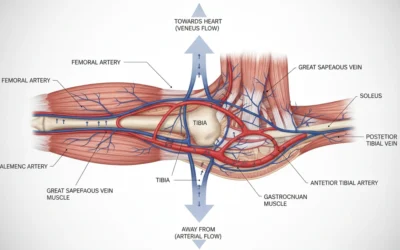
Veins carry blood from different areas of the body back toward the heart. Inside many veins, particularly those in the legs, one-way valves help prevent blood from flowing backward.
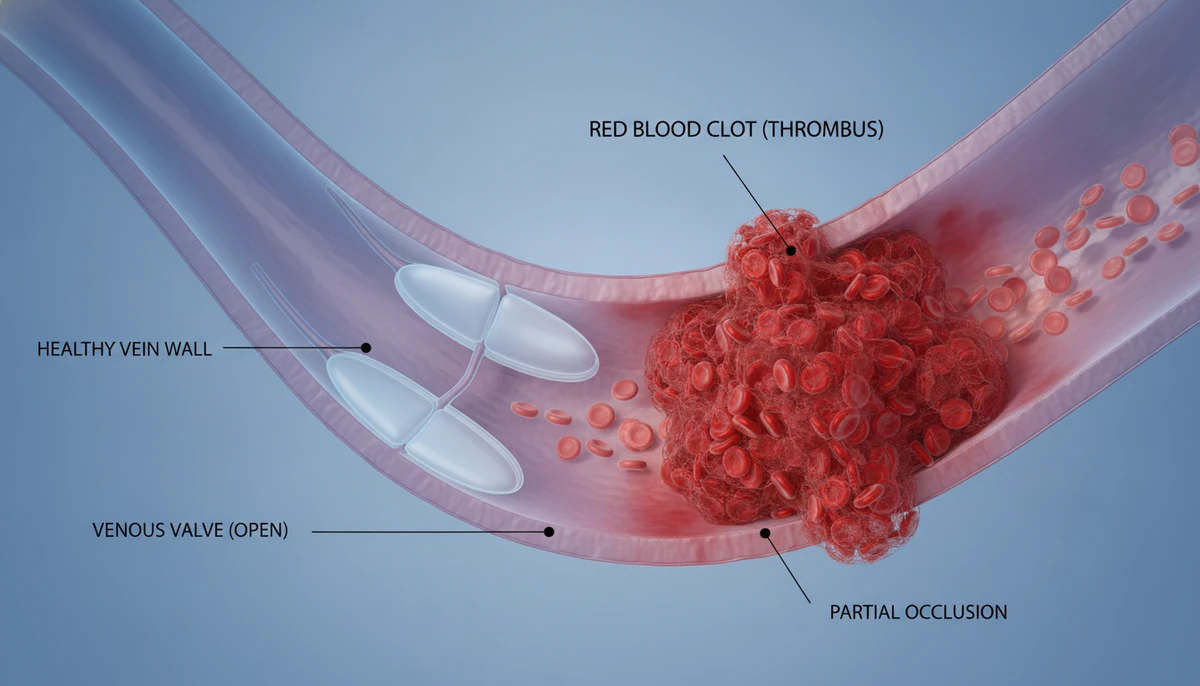
When a blood clot develops inside a deep vein, it can partially or completely obstruct the normal flow of blood. Blood may have difficulty moving through the affected area, increasing pressure within the vein.
DVT most commonly affects veins in the:
- Calf
- Thigh
- Pelvis
Some clots produce noticeable symptoms, while others may initially cause few or no symptoms.
How Does DVT Affect Circulation?
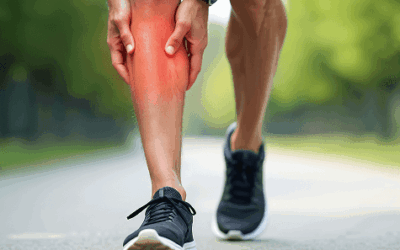
When a clot interferes with blood flow, the body may have difficulty efficiently moving blood out of the affected leg. This can contribute to swelling, discomfort, warmth, or a feeling of tightness.
The extent of these symptoms can depend on the clot’s size and location, as well as how much it interferes with circulation.
Over time, the body may gradually break down the clot, particularly with appropriate medical treatment. However, the affected vein does not always return completely to its previous condition. In some people, DVT can damage the vein itself or the delicate valves responsible for maintaining one-way blood flow. This damage can contribute to longer-term venous problems.
DVT Can Damage Vein Valves
One of the potential long-term effects of a blood clot is damage to the valves inside the affected vein. Healthy valves open as blood travels toward the heart and close to prevent it from flowing backward. If these valves are damaged by a clot, they may no longer close properly.
This can allow blood to move backward and accumulate in the lower extremities, increasing pressure within the veins. The resulting circulation problem can contribute to ongoing swelling, heaviness, aching, and other symptoms.
The Connection Between Blood Clots and Chronic Venous Insufficiency
Chronic venous insufficiency (CVI) occurs when the veins have difficulty returning blood efficiently toward the heart. Although CVI can develop for several reasons, previous DVT is an important risk factor.
When DVT damages the valves or leaves behind changes within the vein, healthy circulation may become more difficult. Over time, increased venous pressure can contribute to symptoms such as:
- Persistent leg swelling
- Aching or throbbing
- A feeling of heaviness
- Leg fatigue
- Skin discoloration
- Changes in skin texture
- Varicose veins
For this reason, patients who have experienced DVT may benefit from paying close attention to changes in their legs even after the original clot has been treated.
What Is Post-Thrombotic Syndrome?
Some people develop a condition known as post-thrombotic syndrome (PTS) following deep vein thrombosis. PTS occurs when lasting damage from the clot affects blood flow within the leg. Symptoms may develop within months of a DVT or become noticeable later.
Common signs can include:
- Chronic swelling
- Leg aching or cramping
- Heaviness
- Tingling or itching
- Skin discoloration
- Discomfort that worsens with prolonged standing
More advanced cases can lead to significant skin changes or venous ulcers around the ankle.
Not everyone who experiences DVT will develop post-thrombotic syndrome. However, understanding the possibility of long-term vein changes highlights the importance of appropriate treatment and follow-up after a blood clot.
Can Blood Clots Cause Varicose Veins?
There can also be a connection between previous DVT and the development of varicose veins. When a clot damages the vein valves or changes the way blood travels through the leg, pressure may increase within other veins. Over time, some superficial veins can become enlarged or twisted.
Varicose veins are not always caused by a previous blood clot, and many people develop them because of primary chronic venous insufficiency. However, a history of DVT is one factor a vascular specialist may consider when evaluating new or worsening vein problems.
Recognizing the Signs of DVT
Because of the potential immediate and long-term effects of DVT, recognizing possible symptoms is important.
Signs of a blood clot in the leg may include:
- Sudden swelling, particularly in one leg
- Calf or thigh pain
- Tenderness
- Warmth
- Redness or other skin discoloration
- A feeling of fullness or tightness
These symptoms can also occur with other medical conditions, so they cannot confirm DVT on their own. Prompt medical evaluation and appropriate testing are needed to determine whether a blood clot is present.
If leg symptoms occur along with sudden shortness of breath, chest pain, coughing up blood, fainting, or severe difficulty breathing, seek emergency medical attention. These can be symptoms of a pulmonary embolism, which occurs when part of a clot travels to the lungs.
How Are Blood Clots Diagnosed?
When DVT is suspected, duplex ultrasound is commonly used to evaluate the deep veins. This non-invasive imaging test allows healthcare providers to examine blood flow and determine whether a clot is present. It can also provide information about the location and extent of the clot.
Depending on the situation, additional testing may be recommended. Accurate diagnosis is important because symptoms such as swelling and leg pain can also be caused by chronic venous insufficiency, injury, infection, lymphedema, and other conditions.
How Is DVT Treated?
Treatment for DVT varies depending on factors such as the location and extent of the clot, symptoms, medical history, and individual risk factors.
Anticoagulant medications, commonly called blood thinners, are a standard component of DVT treatment for many patients. These medications help prevent an existing clot from becoming larger and reduce the likelihood of additional clots forming while the body gradually addresses the existing clot.
In select circumstances, additional interventions may be considered. Treatment should always be individualized based on a patient’s specific diagnosis and medical needs.
Protecting Your Veins After a Blood Clot
Recovery from DVT does not necessarily end when the immediate clot has been managed. Monitoring your long-term vein health can be an important part of ongoing care.
Depending on your healthcare provider’s recommendations, this may include staying active, avoiding prolonged periods of immobility, attending follow-up appointments, and using compression therapy when appropriate.
Patients should also pay attention to persistent or new symptoms. Continued swelling, heaviness, skin changes, or leg discomfort may indicate that the previous clot has affected vein function.
When to See a Vascular Specialist
If you have previously experienced DVT and continue to have leg symptoms, a vascular evaluation may help determine whether the clot has contributed to ongoing circulation problems.
Evaluation may be particularly helpful for persistent:
- Leg swelling
- Aching or heaviness
- Varicose veins
- Skin discoloration
- Changes around the ankle
- Symptoms that worsen with standing
A vascular specialist can evaluate blood flow and vein function to determine whether chronic venous insufficiency, post-thrombotic changes, or another venous condition may be contributing to your symptoms.
Take Care of Your Long-Term Vein Health
A blood clot can be more than a short-term interruption in circulation. For some patients, DVT can damage vein valves and contribute to lasting changes in blood flow, making ongoing attention to vein health particularly important.
At California Vein Institute, we provide comprehensive evaluations for patients experiencing DVT-related concerns and other forms of venous disease. Our team uses advanced vascular imaging to better understand how blood is moving through the veins and provide clear, personalized guidance about the next steps in care.
If you’ve experienced a blood clot and continue to notice swelling, heaviness, discomfort, or other changes in your legs, consider scheduling a consultation. Understanding how DVT has affected your circulation can be an important step toward protecting your long-term vein health.