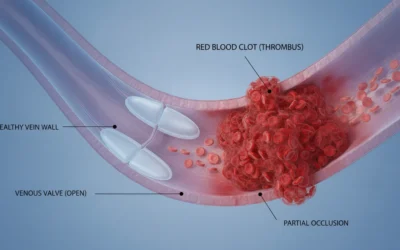
Deep vein thrombosis (DVT) is a condition in which a blood clot forms in a deep vein, most commonly in the leg. While DVT can affect anyone, certain health conditions, lifestyle factors, and life events can increase the likelihood of developing a clot.
Understanding these risk factors doesn’t mean a blood clot is inevitable. Instead, it can help you recognize situations where you may benefit from additional precautions or medical evaluation. Knowing your risk is one of the first steps toward protecting your vascular health.
At California Vein Institute, we help patients understand venous conditions, evaluate symptoms, and develop personalized care plans using advanced diagnostic imaging and minimally invasive treatment options when appropriate.
What Is Deep Vein Thrombosis?
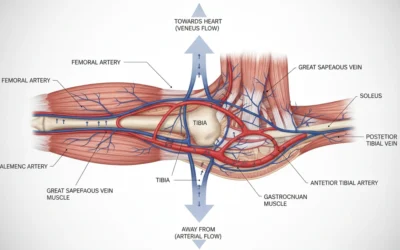
Your veins carry blood back to the heart. When a blood clot forms inside one of the deep veins, it can partially or completely block blood flow. Most DVTs occur in the lower leg, calf, or thigh.
Some blood clots cause noticeable symptoms, while others may develop without obvious warning signs. Because DVT can lead to serious complications if left untreated, recognizing your personal risk factors is important.
How Do Blood Clots Form?
Blood clots often develop when one or more of the following occurs:
- Blood flow slows significantly.
- The lining of a vein becomes damaged.
- The blood becomes more likely to clot.
Healthcare providers often refer to these three contributing factors collectively when evaluating clot risk. Many people who develop DVT have more than one risk factor at the same time.
Prolonged Sitting or Immobility
One of the most well-known risk factors for DVT is remaining still for extended periods.
When you move your legs, your calf muscles help pump blood back toward your heart. Sitting or lying still for long periods reduces this natural pumping action, allowing blood to move more slowly through the veins.
Examples include:
- Long airplane flights
- Extended car rides
- Desk jobs with limited movement
- Bed rest due to illness or injury
- Recovery after surgery
Simple measures such as standing, walking, and stretching regularly can help support healthy circulation during long periods of sitting.
Recent Surgery or Hospitalization
Surgery temporarily increases the risk of blood clot formation for several reasons. During recovery, patients often move less than usual, and certain procedures may temporarily affect the body’s normal clotting processes.
Hospitalization can also increase DVT risk because patients may spend long periods in bed while recovering from illness or injury.
Healthcare providers often recommend preventive measures for higher-risk patients during and after hospitalization.
Previous Blood Clots
A history of DVT is one of the strongest predictors of developing another clot.
Patients who have experienced a previous blood clot may require ongoing monitoring or preventive strategies depending on the underlying cause and their overall health.
If you’ve had DVT before, it’s important to discuss your history with your healthcare provider before surgery, long-distance travel, or other situations that may increase your risk.
Family History and Inherited Conditions
Some people inherit genetic conditions that make their blood more likely to clot.
A family history of DVT or other clotting disorders does not guarantee you will develop a blood clot, but it may increase your overall risk.
Your physician may recommend additional evaluation if multiple close relatives have experienced blood clots at a young age or without an obvious cause.
Pregnancy and the Postpartum Period
Pregnancy naturally places additional demands on the circulatory system. Hormonal changes during pregnancy increase the body’s tendency to form clots, while the growing uterus can place pressure on pelvic veins, slowing blood flow from the legs. The risk of DVT remains elevated for several weeks after childbirth as the body continues to recover.
Although most pregnancies do not result in blood clots, pregnant and postpartum women should be aware of symptoms such as one-sided leg swelling or pain and seek medical evaluation if they occur.
Hormonal Medications
Certain hormone-based medications may slightly increase the likelihood of developing blood clots in some individuals.
These may include:
- Some birth control pills
- Hormone replacement therapy
The degree of risk depends on several factors, including age, smoking status, personal medical history, and family history of clotting disorders.
Patients should discuss these risks with their healthcare provider when considering hormonal medications.
Cancer and Cancer Treatment
Some cancers increase the body’s tendency to form blood clots. In addition, treatments such as chemotherapy and certain cancer medications may further increase clotting risk.
Because of this, physicians carefully monitor many cancer patients for signs of DVT during treatment.
Age
Although DVT can occur at any age, the risk generally increases as people get older.
Changes in circulation, decreased mobility, and the presence of other medical conditions all contribute to the increased risk seen in older adults.
However, younger individuals can also develop DVT, particularly if other risk factors are present.
Obesity
Carrying excess body weight can increase pressure on the veins and may contribute to slower circulation.
Obesity is also associated with several other conditions that can influence vascular health, making it one of several factors physicians consider when evaluating clot risk.
Maintaining a healthy weight through regular physical activity and balanced nutrition can support both vein health and overall cardiovascular wellness.
Smoking
Smoking affects blood vessels in several ways and has been linked to an increased risk of clot formation.
When combined with other risk factors such as hormonal medications or prolonged immobility, smoking may further increase the likelihood of developing DVT.
Quitting smoking provides benefits for both vascular health and overall well-being.
Chronic Medical Conditions
Certain long-term medical conditions may increase the likelihood of blood clot formation.
Examples include:
- Heart disease
- Inflammatory disorders
- Certain autoimmune conditions
- Kidney disease
Managing these conditions under the guidance of your healthcare team can help reduce overall health risks, including those affecting the vascular system.
Can DVT Be Prevented?
Not every blood clot can be prevented, particularly when inherited or unavoidable risk factors are involved. However, many people can take steps to support healthy circulation and reduce their overall risk.
Helpful strategies include:
- Walking regularly throughout the day
- Taking movement breaks during long periods of sitting
- Staying well hydrated
- Following post-surgical recovery instructions
- Wearing compression stockings when recommended by your healthcare provider
- Maintaining a healthy weight
- Avoiding tobacco use
For individuals with higher-risk medical conditions, physicians may recommend additional preventive measures based on their specific situation.
Know the Symptoms of DVT
Even if you have one or more risk factors, it’s important to remember that not everyone develops a blood clot.
However, you should seek prompt medical evaluation if you notice symptoms such as:
- Swelling in one leg
- Pain or tenderness in the calf or thigh
- Warmth in the affected area
- Redness or skin discoloration
- A feeling of tightness or fullness in one leg
Because these symptoms can overlap with other conditions, diagnostic imaging is often needed to determine the cause.
If you develop sudden chest pain, shortness of breath, coughing up blood, or fainting, seek emergency medical care immediately, as these symptoms may indicate a pulmonary embolism.
How Is DVT Diagnosed?
If DVT is suspected, your healthcare provider will review your symptoms, medical history, and risk factors before performing a physical examination.
A duplex ultrasound is the primary imaging test used to diagnose blood clots in the legs. This non-invasive study allows physicians to evaluate blood flow, visualize the veins, and identify the presence of a clot.
Early diagnosis helps guide treatment decisions and reduce the risk of complications.
Protecting Your Vein Health
Understanding your DVT risk factors is an important part of maintaining healthy circulation. While factors such as age or family history cannot be changed, many lifestyle-related risks can be managed through regular movement, healthy habits, and timely medical care.
At California Vein Institute, we provide comprehensive evaluations for patients with symptoms of deep vein thrombosis and other venous conditions. Using advanced vascular imaging and a personalized approach to care, our team works to identify the cause of your symptoms and recommend treatment options that support both your immediate needs and long-term vein health. If you have concerns about your risk for DVT or are experiencing symptoms of a possible blood clot, schedule a consultation to learn more about your options for evaluation and care.