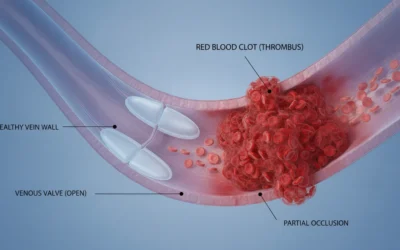
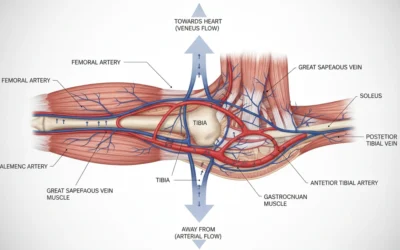
A blood clot in the leg can be a serious medical condition that requires prompt attention. Known as deep vein thrombosis (DVT), this condition occurs when a blood clot forms in one of the deep veins, most commonly in the calf or thigh. While not every blood clot causes noticeable symptoms, recognizing the warning signs can help you seek medical evaluation when it matters most.
It’s also important to remember that leg pain or swelling does not always mean you have a blood clot. Many conditions, including muscle injuries, chronic venous insufficiency, varicose veins, and other circulation problems, can cause similar symptoms. A thorough evaluation is the best way to determine the underlying cause.
At California Vein Institute, we help patients understand vascular conditions and provide comprehensive evaluations using advanced imaging to diagnose vein disorders and develop personalized treatment plans.
What Is a Blood Clot in the Leg?
Blood clotting is a normal and necessary process that helps stop bleeding after an injury. However, when a clot forms inside a vein without an injury, it can interfere with healthy blood flow.
A clot that develops in a deep vein is called deep vein thrombosis. These clots most often occur in the lower leg or thigh, although they can develop elsewhere in the body.
Because deep veins carry a large amount of blood back to the heart, a clot can reduce circulation and may require prompt medical evaluation.
Common Signs of a Blood Clot in the Leg
Symptoms of DVT can vary from person to person. Some people experience several symptoms, while others may notice only one or none at all.
Some of the most common signs include:
Swelling in One Leg
One of the most recognizable signs of DVT is swelling that affects only one leg. The swelling may develop gradually or appear relatively quickly and is often confined to the area where the clot has formed.
While swelling can have many causes, swelling that occurs suddenly or is limited to one leg should be evaluated by a healthcare provider.
Leg Pain or Tenderness
Many patients describe the discomfort as a cramp, soreness, or aching sensation that doesn’t seem to improve with rest.
The pain often begins in the calf but may also occur higher in the leg, depending on where the clot is located.
Unlike muscle soreness from exercise, pain related to DVT may develop without a clear injury.
Warmth in the Affected Area
The skin over the affected vein may feel warmer than the surrounding tissue due to inflammation caused by the clot.
Although warmth alone does not confirm a blood clot, it can be an important symptom when combined with swelling or pain.
Redness or Skin Discoloration
Some people notice redness or a change in skin color over the affected portion of the leg.
The skin may appear slightly red, bluish, or darker than usual, depending on skin tone and the severity of the circulation problem.
A Feeling of Tightness
Some patients describe the leg as feeling unusually tight, full, or heavy. Shoes or pant legs may suddenly feel tighter on one side because of swelling.
Symptoms Can Be Different for Everyone
One of the challenges of diagnosing DVT is that symptoms are not always obvious.
Some individuals experience several warning signs, while others have only mild discomfort that they initially dismiss as muscle strain or fatigue.
In some cases, a blood clot may produce very few symptoms at all.
Because symptoms can overlap with other conditions, it is important not to rely on self-diagnosis. Medical evaluation and appropriate imaging are necessary to determine the cause.
Who Is More Likely to Develop DVT?
Several factors can increase the likelihood of developing a blood clot in the leg.
Common risk factors include:
- Extended periods of sitting or bed rest
- Recent surgery
- Hospitalization
- Pregnancy and the postpartum period
- Certain medications containing hormones
- A personal or family history of blood clots
- Smoking
- Certain inherited clotting disorders
- Cancer or cancer treatment
- Increasing age
Having one or more risk factors does not mean you will develop DVT, but it may increase your overall risk.
Conditions That Can Mimic a Blood Clot
Not every swollen or painful leg is caused by a blood clot. Several other conditions can produce similar symptoms, including:
- Chronic venous insufficiency
- Varicose veins
- Muscle strains or tears
- Cellulitis (a skin infection)
- Baker’s cyst
- Lymphedema
Because these conditions often overlap in their symptoms, professional evaluation is important for determining the correct diagnosis.
How Is a Blood Clot Diagnosed?
If DVT is suspected, a healthcare provider will review your symptoms, medical history, and perform a physical examination.
The primary imaging test used to diagnose a blood clot is a duplex ultrasound.
This non-invasive test allows physicians to:
- Evaluate blood flow
- Visualize the veins
- Identify the presence of a clot
- Determine the location and extent of the blockage
Ultrasound is painless, does not use radiation, and provides valuable information to guide treatment decisions.
Treatment for Deep Vein Thrombosis
Treatment depends on several factors, including the size and location of the clot, your overall health, and your medical history.
The goals of treatment typically include:
- Preventing the clot from getting larger
- Supporting healthy blood flow
- Reducing the risk of future complications
- Helping preserve long-term vein function
Many patients are treated with blood-thinning medications (anticoagulants), which help reduce the risk of the clot growing or new clots forming. These medications do not immediately dissolve the clot but allow the body to gradually break it down over time.
For some patients, particularly those with larger clots, significant symptoms, or clots affecting major veins, minimally invasive, image-guided procedures may also be considered. These treatments may help restore blood flow in carefully selected cases.
Your treatment plan should always be individualized based on your specific condition and the recommendations of your healthcare team.
When Should You Seek Medical Attention?
Because a blood clot can be serious, it is important to seek prompt medical evaluation if you develop symptoms such as:
- Sudden swelling in one leg
- Unexplained calf or thigh pain
- Warmth or redness affecting one leg
- Leg swelling accompanied by tenderness
Prompt evaluation helps determine whether a blood clot or another condition is causing your symptoms so that appropriate care can begin.
If symptoms are accompanied by sudden chest pain, difficulty breathing, coughing up blood, or fainting, seek emergency medical care immediately, as these may be signs that a clot has traveled to the lungs.
Can Blood Clots Be Prevented?
While not every blood clot can be prevented, certain habits may help support healthy circulation, particularly for individuals with known risk factors.
These include:
- Staying physically active
- Taking breaks to stand and walk during long periods of sitting
- Remaining well hydrated
- Following your healthcare provider’s recommendations after surgery
- Wearing compression stockings if advised
- Managing chronic medical conditions
Your physician can recommend preventive strategies based on your personal risk profile.
Know the Signs and Don’t Ignore Persistent Symptoms
Recognizing the signs of a blood clot in the leg is an important step in protecting your vascular health. While symptoms such as swelling, pain, or warmth do not always indicate DVT, they should never be ignored, especially if they develop suddenly or affect only one leg.
At California Vein Institute, we provide comprehensive evaluations for patients experiencing symptoms of venous disease and circulation disorders. Using advanced vascular imaging and a patient-centered approach, our team works to identify the cause of your symptoms and recommend the most appropriate next steps for your care. If you’re concerned about leg swelling, persistent pain, or other signs of a vascular condition, schedule a consultation to learn more about your vein health and available treatment options.