Leg swelling is a common symptom that can develop for many different reasons. Spending a long day on your feet, sitting through a long flight, or recovering from an injury can all cause temporary swelling that improves with rest. However, there are times when swelling in the leg should not be ignored.
While many cases of leg swelling are not emergencies, sudden, severe, or unexplained swelling may indicate an underlying medical condition that requires prompt evaluation. Understanding the difference between routine swelling and swelling that needs immediate attention can help you make informed decisions about your health.
At California Vein Institute, we evaluate a wide range of venous conditions that can contribute to leg swelling, including chronic venous insufficiency (CVI) and deep vein thrombosis (DVT). Knowing when to seek emergency care and when to schedule an evaluation with a vascular specialist is an important part of protecting your vascular health.
What Causes Leg Swelling?
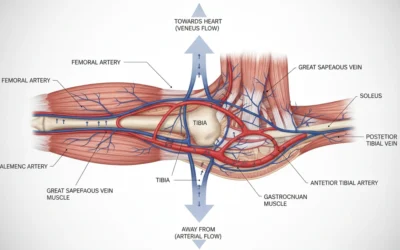
Swelling occurs when excess fluid accumulates in the body’s tissues. In the legs, this is often referred to as edema. The swelling may affect one leg or both and can develop gradually or appear suddenly, depending on the underlying cause.
Common causes of leg swelling include:
- Prolonged standing or sitting
- Minor injuries or muscle strains
- Chronic venous insufficiency
- Varicose veins
- Pregnancy
- Certain medications
- Lymphedema
- Heart, kidney, or liver conditions
- Deep vein thrombosis (DVT)
Because there are so many possible causes, it’s important to look at the overall pattern of symptoms rather than the swelling alone.
When Leg Swelling Is Usually Not an Emergency
Not every episode of leg swelling requires immediate medical care.
For example, mild swelling that develops after:
- Standing for several hours
- A long day of travel
- Vigorous exercise
- Hot weather
may improve after resting, elevating the legs, or moving around more regularly.
Similarly, people with chronic venous insufficiency often notice swelling that gradually develops throughout the day and improves overnight while sleeping.
Although these situations are generally not emergencies, persistent or recurring swelling should still be evaluated to determine whether an underlying vein condition is present.
Warning Signs That Require Immediate Medical Attention
Certain symptoms accompanying leg swelling may indicate a more serious condition that requires urgent evaluation.
Sudden Swelling in One Leg
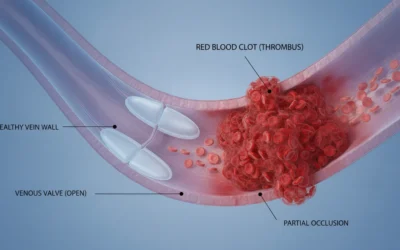
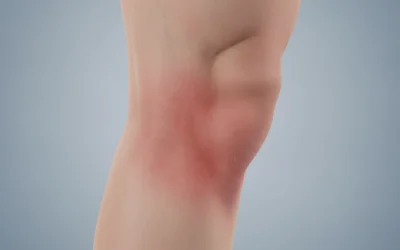
Swelling that develops suddenly and affects only one leg should always be taken seriously. This may be a sign of deep vein thrombosis (DVT), a condition in which a blood clot forms in a deep vein and interferes with normal blood flow.
Additional symptoms of DVT may include:
- Pain or tenderness
- Warmth in the affected leg
- Redness or discoloration
- A feeling of tightness or fullness
Because DVT can lead to serious complications, sudden one-sided leg swelling warrants prompt medical evaluation.
Swelling with Chest Pain or Difficulty Breathing
If leg swelling is accompanied by:
- Sudden shortness of breath
- Chest pain
- Coughing up blood
- Fainting or feeling lightheaded
Seek emergency medical care immediately.
These symptoms may indicate that a blood clot has traveled from the leg to the lungs, a condition known as a pulmonary embolism (PE). A pulmonary embolism is a medical emergency that requires immediate treatment.
Swelling Following a Significant Injury
Leg swelling that occurs after a serious fall, accident, or trauma may indicate:
- A fracture
- Significant soft tissue injury
- Damage to blood vessels
If swelling develops rapidly after an injury, particularly if you cannot bear weight or the leg appears deformed, seek prompt medical evaluation.
Swelling with Signs of Infection
Swelling accompanied by symptoms such as:
- Fever
- Increasing redness
- Warmth spreading through the skin
- Drainage from a wound
may suggest an infection requiring medical treatment.
Prompt evaluation is important to determine the cause and begin appropriate care.
When Should You Schedule an Appointment Instead?
Not every case of leg swelling requires a trip to the emergency room. In many situations, scheduling an appointment with a vascular specialist is the appropriate next step.
You should consider an evaluation if you experience:
- Swelling that returns regularly
- Leg heaviness or aching
- Visible varicose veins
- Swelling that worsens throughout the day
- Skin discoloration around the ankles
- Persistent discomfort affecting daily activities
These symptoms may be associated with chronic venous insufficiency or another circulation disorder that can often be managed with specialized care.
Chronic Venous Insufficiency and Leg Swelling
One of the most common vascular causes of ongoing leg swelling is chronic venous insufficiency (CVI).
In CVI, the valves inside the veins become weakened or damaged, allowing blood to flow backward and collect in the lower legs.
As pressure builds within the veins, patients may develop:
- Swelling
- Leg heaviness
- Aching
- Varicose veins
- Skin changes
Unlike the sudden swelling associated with DVT, swelling from CVI usually develops gradually and often becomes worse after standing or sitting for long periods.
Although CVI is generally not considered a medical emergency, it is a progressive condition that benefits from evaluation and appropriate treatment.
How Vascular Specialists Diagnose Leg Swelling
Because leg swelling has many possible causes, an accurate diagnosis is essential.
At California Vein Institute, evaluation typically begins with:
- A discussion of your symptoms
- Review of your medical history
- Physical examination
- Duplex ultrasound imaging
A duplex ultrasound allows physicians to assess:
- Blood flow
- Vein valve function
- Venous reflux
- Blood clots
- Areas of obstruction
This non-invasive imaging provides valuable information that helps guide treatment recommendations.
Treatment Depends on the Underlying Cause
There is no single treatment for leg swelling because the appropriate approach depends on what is causing it.
For patients with venous disease, treatment may include:
- Lifestyle recommendations to improve circulation
- Compression therapy when appropriate
- Radiofrequency Ablation (RFA)
- Sclerotherapy
- Microphlebectomy
Patients with DVT or other medical conditions may require a different treatment approach based on their diagnosis.
This is why proper evaluation is so important before beginning any treatment.
Supporting Healthy Circulation
Although not all causes of leg swelling can be prevented, healthy habits may help support good circulation and reduce stress on the veins.
Helpful strategies include:
- Walking regularly throughout the day
- Avoiding prolonged sitting or standing
- Elevating your legs when resting
- Maintaining a healthy weight
- Staying hydrated
- Following your healthcare provider’s recommendations regarding compression stockings, if prescribed
These habits can be particularly beneficial for individuals with early signs of venous disease or those at increased risk for circulation problems.
Know the Difference Between Urgent and Routine Symptoms
Leg swelling should never be ignored, but it also doesn’t always mean you are experiencing a medical emergency. The key is recognizing when symptoms suggest a condition that requires immediate attention versus when it’s appropriate to schedule an evaluation with a specialist.
Seek emergency medical care immediately if you experience:
- Sudden swelling in one leg with pain, redness, or warmth
- Leg swelling accompanied by chest pain or difficulty breathing
- Swelling following a significant injury
- Swelling with fever or signs of a serious infection
For swelling that develops gradually, recurs frequently, or is accompanied by symptoms such as leg heaviness, aching, varicose veins, or skin changes, a consultation with a vascular specialist can help identify the underlying cause.
At California Vein Institute, we provide comprehensive evaluations for patients experiencing leg swelling and other symptoms of venous disease. Using advanced diagnostic imaging and a patient-centered approach, we work to determine the cause of your symptoms and recommend personalized treatment options designed to improve circulation, relieve discomfort, and support your long-term vein health. Contact us today to schedule a consultation.